Concrete cutting is a core task in construction, hardscaping, and masonry. Whether you are cutting slabs, walls, or decorative features, using the right tools and equipment is critical for safety, efficiency, and clean results.
If you have searched “what are the tools and equipment needed for concrete cutting,” the answer depends on the type of job, material thickness, and level of precision required. Below is a clear breakdown of the most essential tools used by professionals.
Things to Know About Concrete Cutting
Before choosing your tools, it is important to understand that not all concrete cutting jobs are the same. Factors like depth, location, and material type will influence your equipment selection.
For example:
- Shallow cuts in pavers require different tools than deep cuts in structural concrete
- Indoor cutting may require electric or battery-powered tools
- Precision work may call for specialized equipment like concrete chainsaws
Choosing the right setup from the start can save time, reduce wear on equipment, and improve overall results.
Tools and Equipment
1. Cut-Off Saws (Handheld Power Cutters)
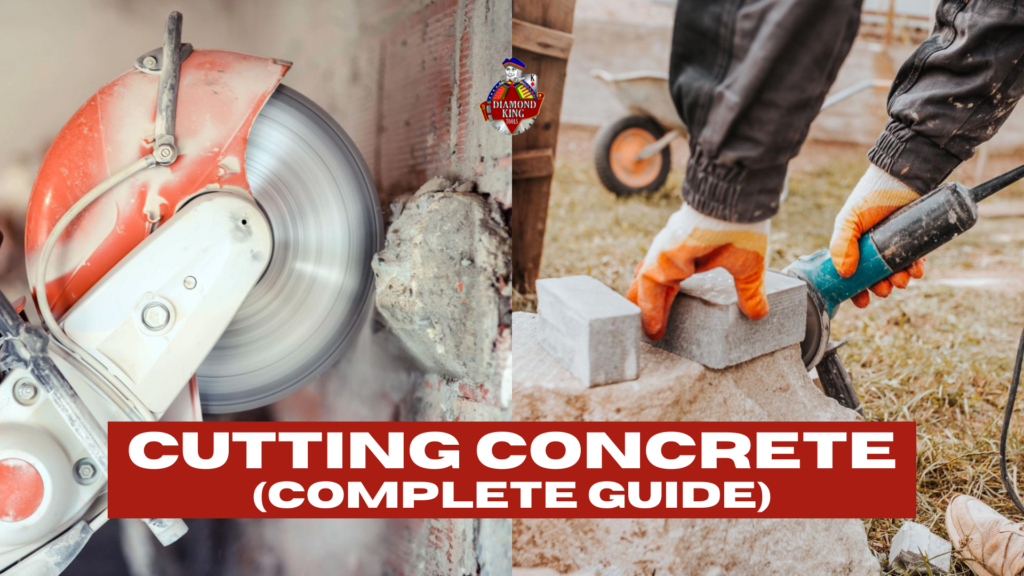
Cut-off saws are one of the most commonly used tools for concrete cutting. These handheld machines are typically equipped with 12-inch or 14-inch diamond blades and are ideal for cutting concrete, asphalt, brick, and block.
They are widely used because they offer a balance of power, portability, and cutting depth.
2. Walk-Behind Concrete Saws
For larger jobs such as roadwork, sidewalks, and slabs, walk-behind saws are the preferred choice. These machines allow for deeper cuts and improved stability, making them ideal for long, straight cuts in flat surfaces.
3. Angle Grinders with Diamond Blades
Angle grinders are useful for smaller or detailed cutting tasks. When paired with a diamond blade, they can cut through concrete, masonry, and stone with precision.
They are often used for:
- Tight spaces
- Surface cuts
- Finishing work
4. Concrete Chainsaws
Concrete chainsaws are specialized tools designed for deep and precise cuts. They use a diamond chain instead of a circular blade, allowing for square cuts and plunge cutting into walls or structures.
These are commonly used for:
- Door and window openings
- Plumbing and electrical access cuts
- Structural modifications
5. Diamond Blades
Diamond blades are the most important cutting component. They are specifically designed to cut through hard materials like concrete and asphalt.
Choosing the right blade depends on:
- Material type (concrete, asphalt, green concrete)
- Blade size
- Cutting method (wet or dry)
High-quality diamond blades improve cutting speed, reduce wear, and deliver cleaner results.
6. Core Drills
Core drills are used to create precise circular holes in concrete. These are essential for installing pipes, wiring, and HVAC systems.
7. Safety Equipment
Concrete cutting generates dust, debris, and noise, so proper safety gear is essential.
Key safety equipment includes:
- Safety glasses or face shields
- Hearing protection
- Respirators or dust masks
- Gloves and protective clothing
Using the right safety equipment helps protect against silica dust and jobsite hazards.
Why Having the Right Equipment Matters
Using the correct tools for concrete cutting is not just about convenience, it directly impacts performance and safety.
Improved Efficiency
The right tools allow you to complete jobs faster with fewer passes.
Better Cut Quality
Proper equipment results in cleaner, more accurate cuts.
Increased Safety
Using tools designed for the job reduces the risk of accidents and equipment failure.
Final Thoughts
Concrete cutting requires a combination of the right tools and proper technique. From handheld cut-off saws to specialized concrete chainsaws, each piece of equipment serves a specific purpose on the jobsite.
By understanding what tools are needed and when to use them, contractors can improve productivity, extend the life of their equipment, and achieve professional results on every project.
Visit DiamondKingTools.com for high quality tools and equipment to cut concrete.