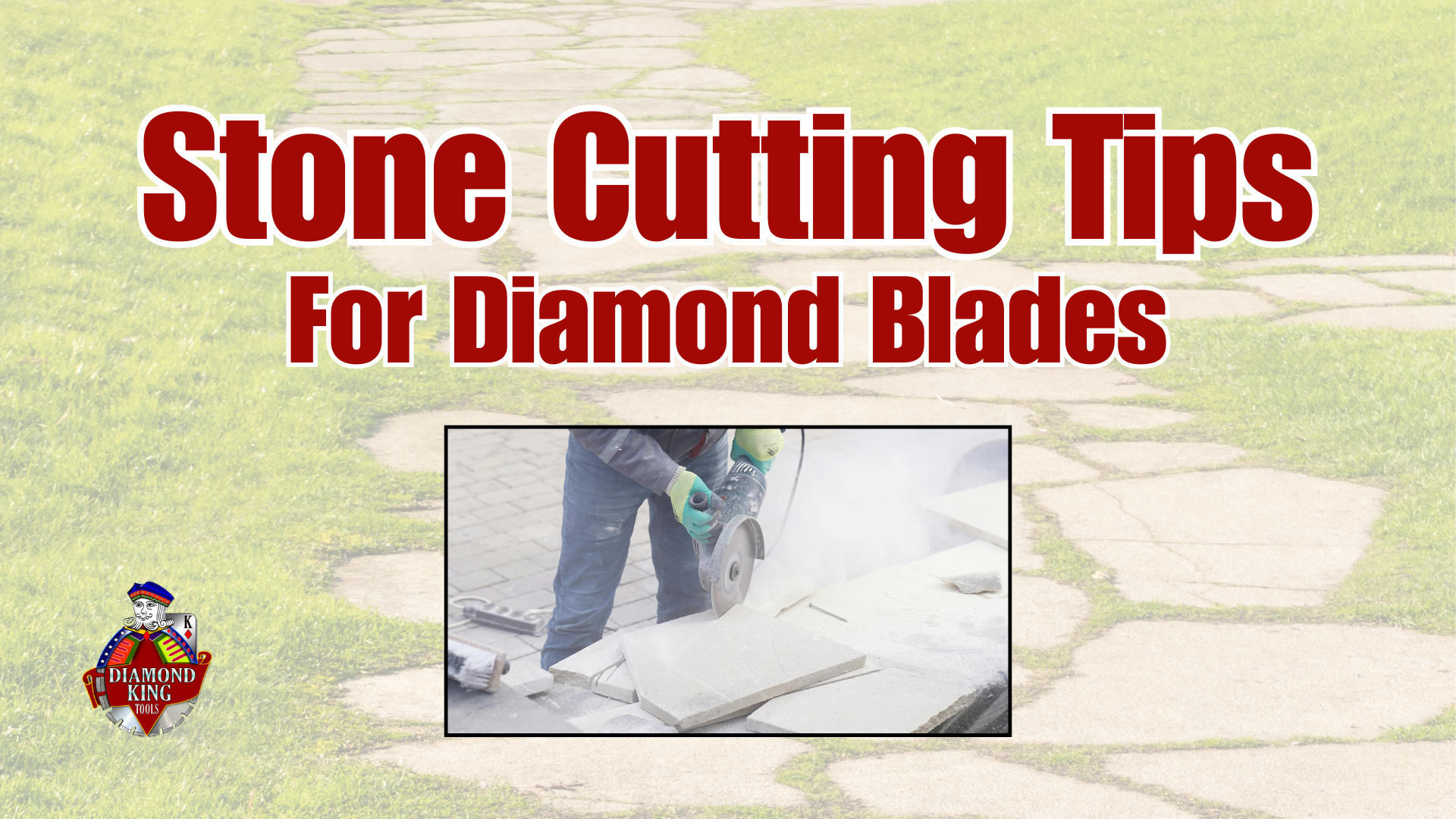
Cutting stone with diamond blades requires the right combination of blade selection, cutting technique, and job site setup. While stone may seem similar at a glance, different types of stone behave very differently when cut. Understanding these differences helps you achieve cleaner cuts, extend blade life, and work more safely and efficiently.
Below are practical tips for cutting stone with diamond blades, along with guidance on how various stone materials affect blade choice and cutting method.
Understand the Type of Stone You Are Cutting
Before choosing a blade or starting the saw, identify the type of stone. Natural stone varies in hardness, density, and brittleness, which directly affects cutting performance.
Granite
Granite is one of the hardest natural stones used in construction and hardscaping. Because of its density, it requires a premium diamond blade with a harder bond and high quality diamond concentration. Turbo or segmented diamond blades designed for hard stone work best, especially when paired with water cooling. Cutting granite dry can cause excessive heat buildup and premature blade wear.
Bluestone
Bluestone is slightly less dense than granite but still tough enough to demand a quality blade. Corrugated turbo or high end continuous rim blades (like our blue tornado blade) are ideal for bluestone, especially when appearance matters. Bluestone can handle some shock, which allows faster cutting than porcelain, but water is still recommended for cleaner edges and longer blade life.
Limestone
Limestone is softer and more porous than granite or bluestone. Because of this, it cuts faster and places less strain on the blade. A general purpose or softer bond diamond blade works well here. However, limestone produces fine dust, so wet cutting helps improve visibility and reduce airborne particles.
Sandstone
Sandstone is abrasive rather than hard. This means it can wear diamond blade segments quickly if the blade bond is too soft. A blade designed for abrasive materials with a harder bond will last longer and maintain consistent cutting speed.
Choose the Right Diamond Blade Style
Blade design plays a major role when cutting stone.
Segmented blades cut fast and stay cool, but they may leave chipping along the edge. These are best for structural cuts where appearance is not critical.
Turbo blades balance speed and finish. They cut faster than flat continuous rim blades while producing cleaner edges than segmented blades. Turbo blades are often the best choice for stone walkways, steps, and decorative features.
Continuous rim blades provide the cleanest cuts. They are ideal for detailed stone work where aesthetics matter most. Cutting speed is slower, but edge quality is superior.
Use Proper Cutting Techniques
Always let the blade do the work. Forcing the saw increases heat and can glaze the blade segments. Instead, apply steady pressure and maintain consistent feed speed.
Whenever possible, use water to cool the blade and suppress dust. Wet cutting extends blade life, improves cut quality, and creates a safer work environment.
For thick stone, use step cutting. Make shallow passes and gradually increase depth. This reduces stress on both the blade and the saw while producing straighter cuts.
Safety and Blade Maintenance Matter
Stone cutting generates dust and debris, so proper PPE is essential. Eye protection, gloves, hearing protection, and a respirator should always be used.
Inspect your blade regularly. If cutting slows down or the blade begins to glaze, dress the blade using a dressing stone or abrasive material to expose fresh diamonds.
Final Thoughts
Cutting stone with diamond blades is all about preparation. When you match the blade to the stone type and use the correct cutting method, you get cleaner results, longer blade life, and safer job sites. Whether you are working with granite, bluestone, limestone, or sandstone, the right blade choice makes all the difference.
Looking for the right blade for your job? Visit DiamondKingTools.com or reach out to us for help selecting a blade.
Call: (877) 700-2022
Email: office@diamondkingtools.com