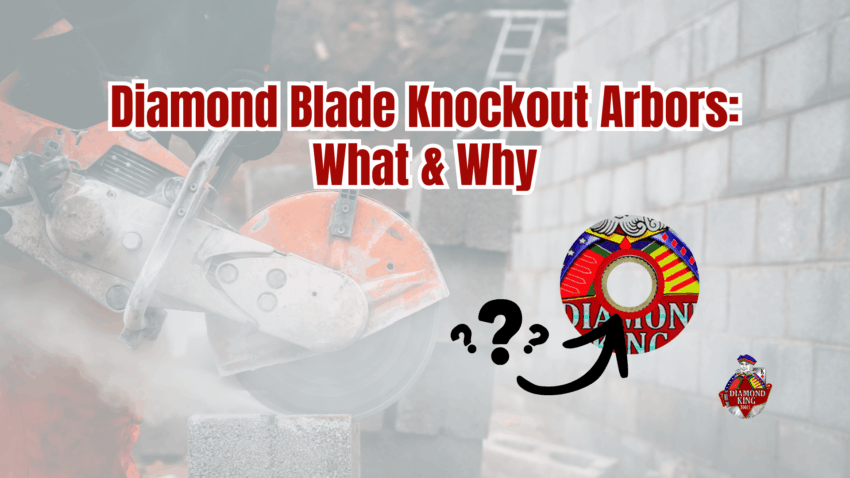
What Is a Diamond Blade Knockout Arbor? If you have ever installed a diamond blade and noticed a removable inner ring around the center hole, you have seen a diamond blade knockout arbor. This small but important feature allows a blade to fit multiple saw types by adjusting the arbor hole size. The arbor is…
Tag: asphalt cutting
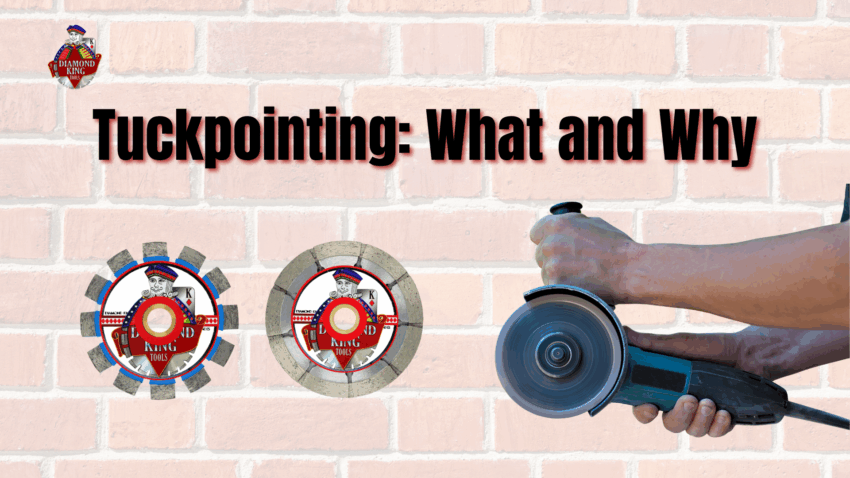
What Is Tuckpointing? Why Tuckpointing Is Important for Brick and Masonry Structures
If you work with brick or own a masonry structure, you have probably heard the term tuckpointing. But what is tuckpointing exactly? Tuckpointing is the process of removing deteriorated mortar from between brick or stone joints and replacing it with new mortar. Over time, weather, moisture, freeze thaw cycles, and general wear cause mortar joints…
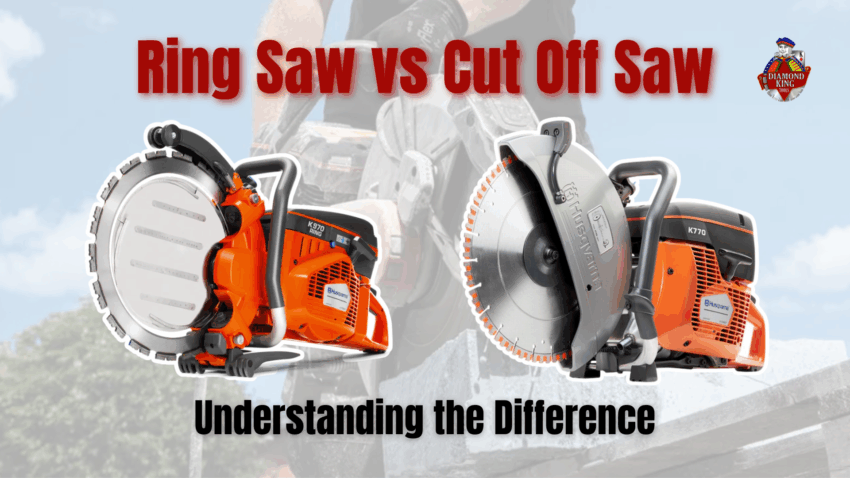
Ring Saw vs Cut Off Saw: What’s the Difference and Which Should You Use?
When it comes to concrete and masonry cutting, choosing the right tool can save time, improve cut quality, and reduce equipment wear. Two common tools used on jobsites are ring saws and cut off saws. While both are designed for cutting concrete, asphalt, and masonry materials, they serve different purposes and excel in different situations….
Diamond King Tools February Deals: Better Together Packages That Deliver More Value
February is all about things that work better together, and at Diamond King Tools, we are leaning into that idea with our February Better Together Packages. Designed with contractors, masons, and cutting professionals in mind, these limited-time deals pair trusted Husqvarna equipment with high-performing general purpose diamond blades at significant savings. Whether you are upgrading…
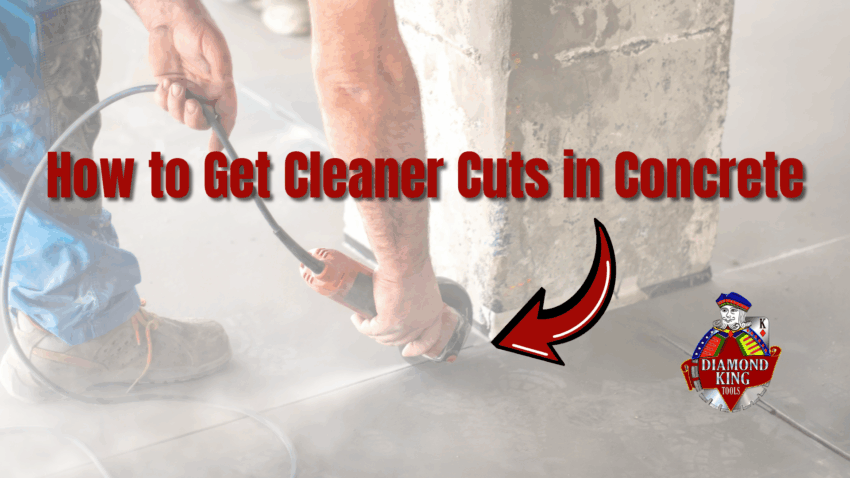
How to Get Cleaner Cuts in Concrete Without Chipping or Blowout
Chipped edges and blowout at the end of a concrete cut can turn an otherwise solid job into a costly problem. Whether you are cutting sidewalks, slabs, curbs, or decorative concrete, clean cuts are critical for both appearance and structural integrity. The good news is that most chipping issues are preventable and with the right…
5 Common Diamond Blade Mistakes That Kill Blade Life
Diamond blades are built tough, but even the best blade can wear out fast if it is used incorrectly. Contractors often assume a blade failure means poor quality, when in reality the issue is usually technique, setup, or blade selection. Avoiding the more common diamond blade mistakes can dramatically extend blade life, improve cut quality,…
Diamond King Tools January Deals: Save Big on Husqvarna Grinders and Green Lightning Diamond Blades
Kick Off the Year Strong With Diamond King Tools January Deals The new year is the perfect time to stock up on dependable cutting equipment, and Diamond King Tools kicks off January with exclusive deals that help contractors, masons, and hardscape professionals save money without sacrificing performance. Our January deals highlight two customer favorites: Husqvarna…
Diamond King Tools Recaps a Successful Week at MANTS 2026 in Baltimore
Last week, the Diamond King Tools team had the opportunity to attend the Mid-Atlantic Nursery Trade Show (MANTS) 2026 in Baltimore, Maryland. From Wednesday, January 7 through Friday, January 9, the Baltimore Convention Center was filled. Professionals from across the green and hardscaping industries attended, and we were excited to be part of it. In…
Diamond King Tools At MANTS 2026 in Baltimore: Visit Us at Booth 2696
Diamond King Tools Heads to MANTS 2026 in Baltimore Diamond King Tools is excited to announce that we will be exhibiting at the Mid-Atlantic Nursery Trade Show (MANTS) 2026 in Baltimore, Maryland. This premier B2B event brings together thousands of professionals from across the green industry, making it the perfect place to connect, learn, and…
Diamond Blade Cutting Safety: Best Practices for Every Jobsite
Diamond blades are powerful tools designed to cut through concrete, asphalt, stone, brick, and masonry. While they deliver speed and precision, they also demand proper safety practices. Fully understanding diamond blade cutting safety helps prevent injuries, equipment damage, and costly downtime on the jobsite. Below are best practices every contractor and operator should follow before…